LINK
Connecting innovation factors across regions, disciplines and industries. In ten years the Forum has brought people who would never have met into cooperation.
Eleven years of a civil science-and-industry forum — and the decade ahead.
Council of the Shenzhen Bay Forum · Golden autumn 2026
The transformation of a century is unfolding in depth; a new round of scientific and technological revolution and industrial transformation is sweeping the globe, and the centre of innovation keeps moving east.
New quality productive forces are surging and disruptive technologies keep emerging. While they bring enormous opportunity, they also raise entirely new questions for industrial-chain coordination, the translation of research into industry, the governance of technology ethics and the cross-border flow of talent. Government mechanisms play the top-level guiding role; civil dialogue platforms are the important bond and bridge that connects scientists, industry, capital and young research communities.
In 2015 a group of scholars and experts proposed the founding of the Shenzhen Bay Forum, taking root in the fertile ground of innovation and entrepreneurship in the Guangdong–Hong Kong–Macao Greater Bay Area. We hold to the core idea of “link, empower, responsibility, win-win” and have built a pattern in which the forum platform is the body and serving government, enterprise and talent are the two wings: dozens of summits and thematic seminars; academicians, economists, industry leaders and investors gathered; a series of think-tank outputs including the Bay Area development blue book and the Shenzhen Bay Innovation Index; and more than eighty innovation projects empowered to grow.
Standing at the highlight moment when the Asia-Pacific leaders' informal meeting is held in Shenzhen, the Forum opens a wholly new journey of “re-positioning and re-setting sail”: from serving the Greater Bay Area to being rooted in Shenzhen Bay, facing Asia-Pacific and radiating to the world, committed to building a world-class civil science-and-industry forum.
To government, we wish to be a civil observation window on policy practice and a hub of industrial feedback; to academicians and research workers, a bridge that carries source innovation into market application; to technology entrepreneurs and investment institutions, a practical field of collaboration; to university faculty, students and the broad community of science and technology workers, an open and inclusive platform of exchange. Looking up at the stars, one should have breadth of vision, altitude and a sense of responsibility; standing on solid ground, one must seek truth and be practical. The road is hard and long, yet walking will bring us there.
“Joining hands with government, academicians, industrial capital, universities and industry, holding fast to technology for good, and building an open, win-win innovation community.
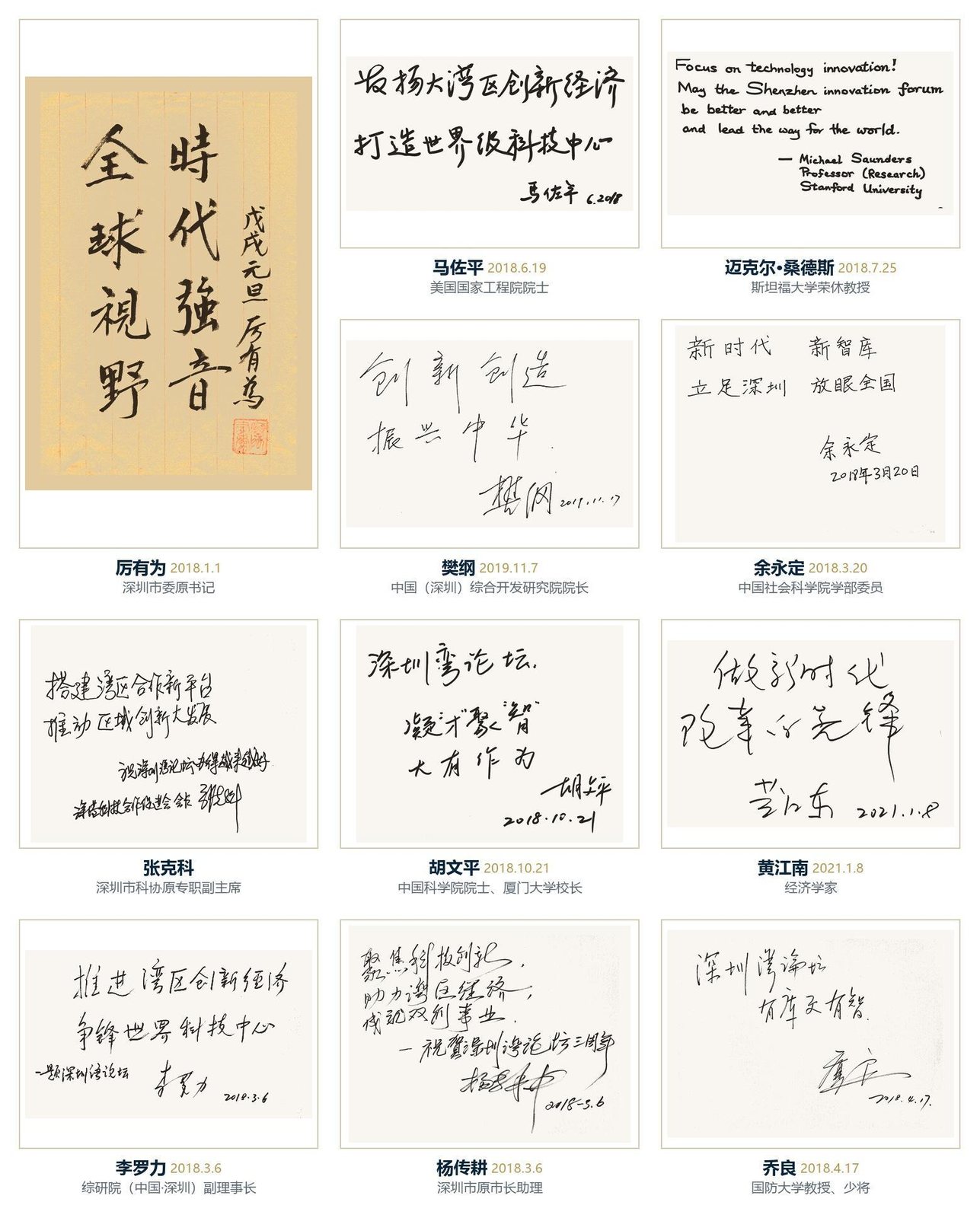
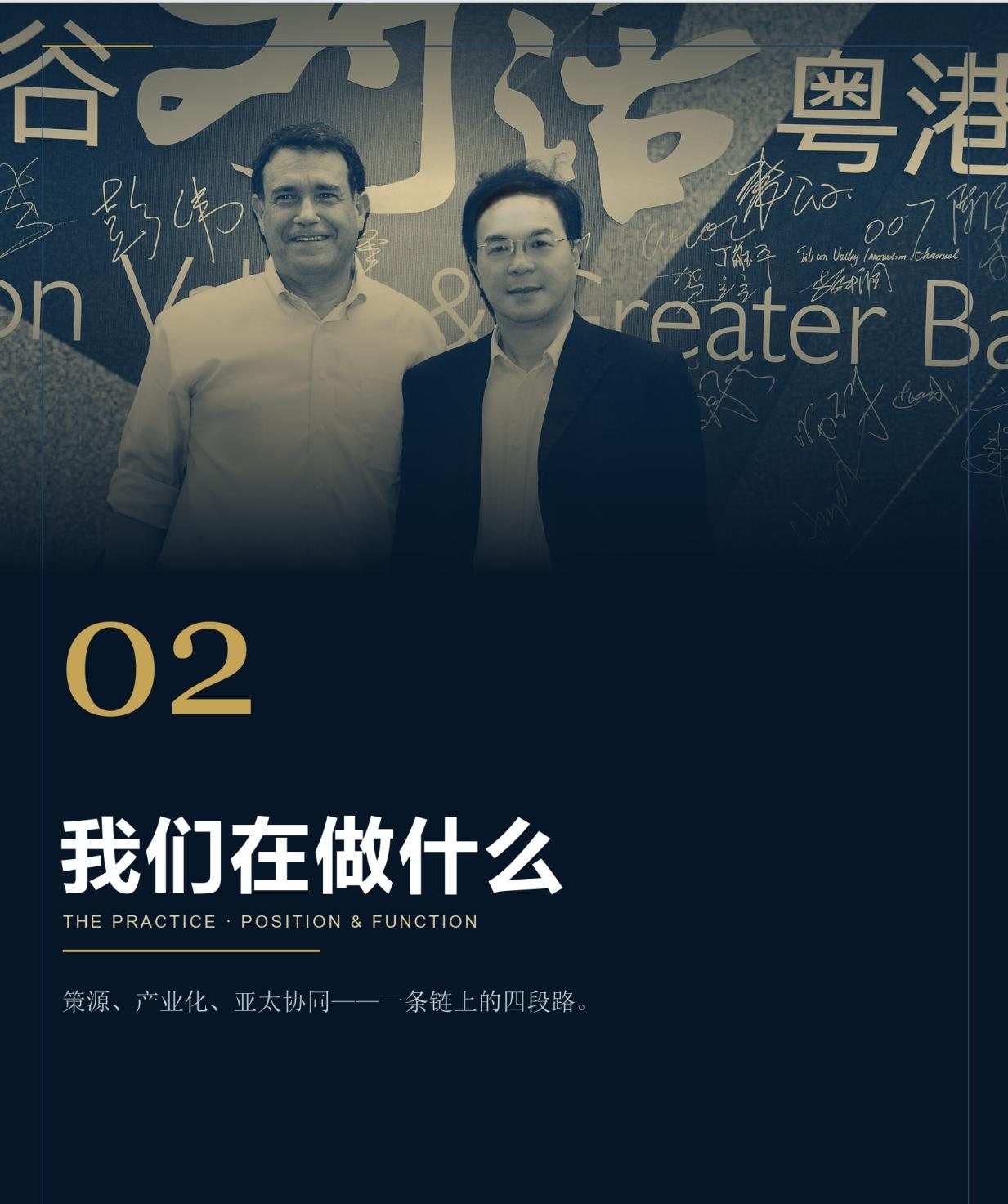
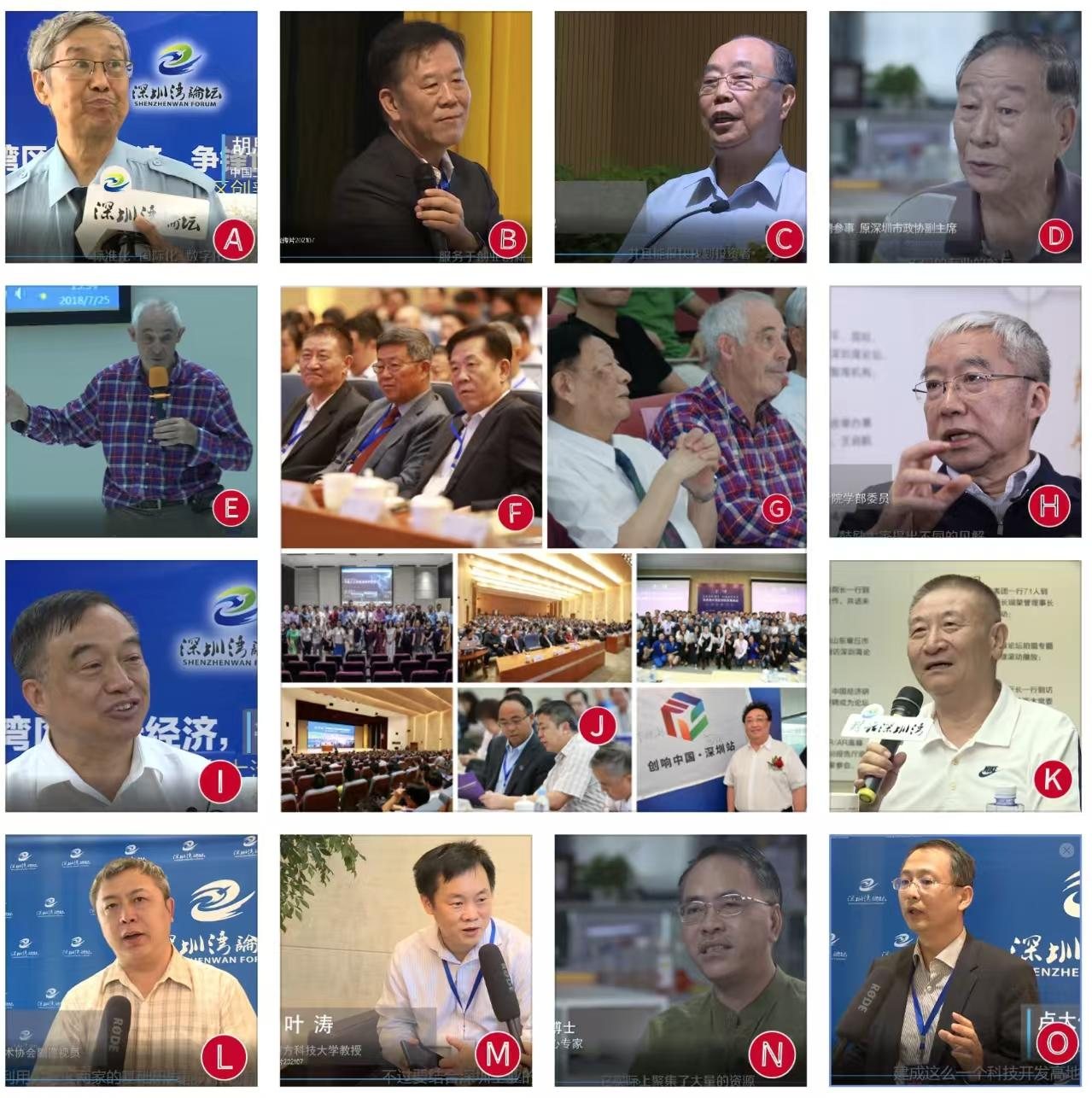
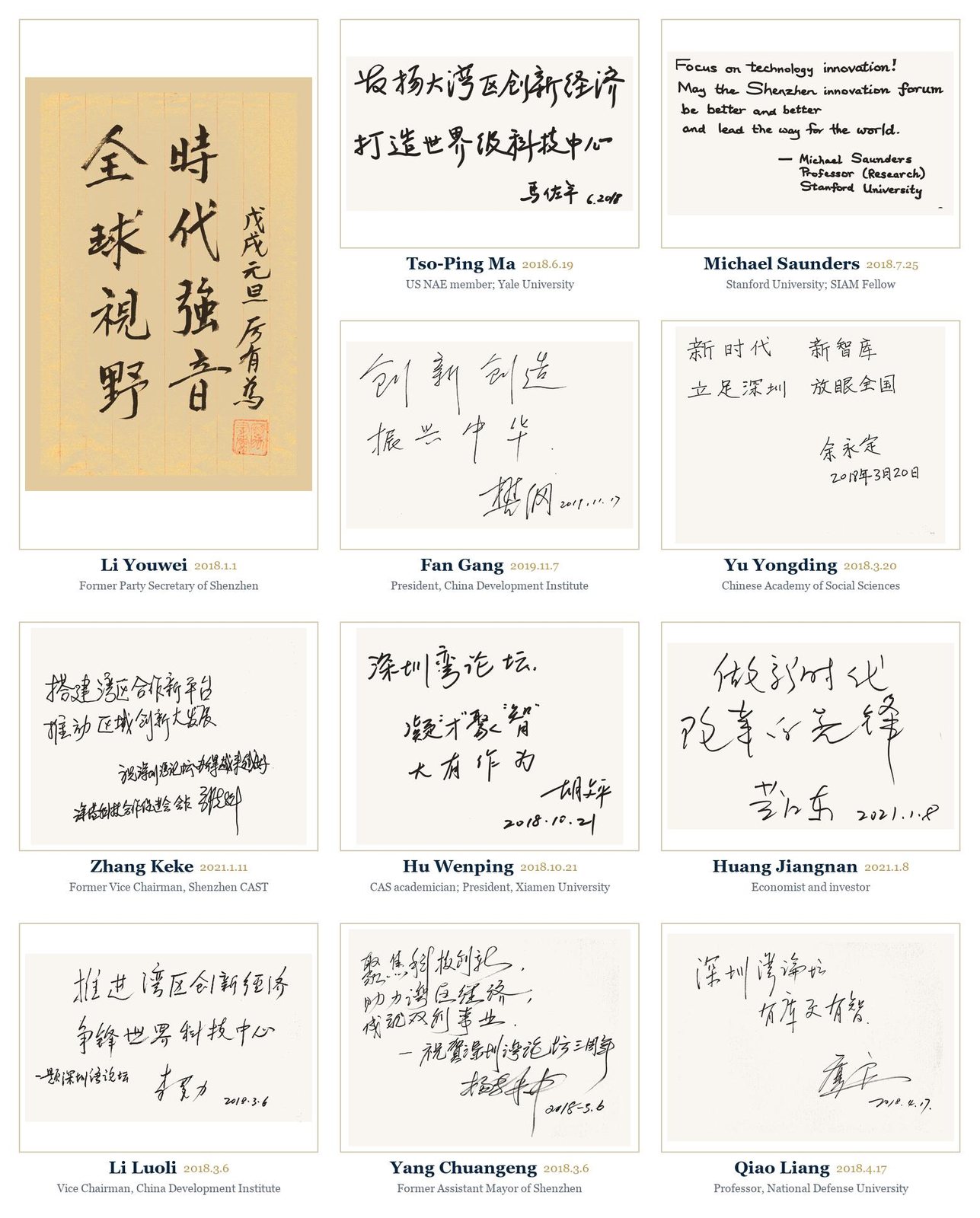
Over eleven years, more than twenty prominent economists, academicians, world-class scientists, pioneering veteran leaders and distinguished young scholars have written inscriptions one after another.
The inscriptions reproduced here are photocopied from archived originals: not traced, the character forms not altered, not ghost-written. The handwriting and signatures of Li Youwei, Ma Zuoping, Michael Saunders, Yu Yongding, Zhang Keke, Hu Shenghao, Li Luoli, Yang Chuande and Zhou Qiren are preserved in full.
Click the image to enlarge. Copyright in the inscription images belongs to the writers and is used only for the Forum's non-commercial publicity.
A civil science-and-industry forum rooted in Shenzhen Bay, facing Asia-Pacific and moving towards the world.
The Shenzhen Bay Forum upholds government guidance and civil leadership, and grasps the threefold structural opportunity of a civil standpoint, industrialised landing and Asia-Pacific multilateralism. It builds its core positioning on “one lead, two supports”: it is both the civil platform that carries the outcomes of Asia-Pacific science-and-industry cooperation, and the high ground of dialogue and matchmaking for the industrialisation of the world's disruptive technologies.
Rooted in the Shenzhen Bay science-and-innovation highland, the Forum links the Asia-Pacific innovation network, breaks down the barriers between basic research, disruptive technology, industrial capital and international cooperation, and keeps exporting the science-and-innovation thinking of the Greater Bay Area. On a ten-year horizon it is committed to becoming the most influential civil science-and-industry summit in Asia-Pacific and a landmark IP of the Shenzhen–Hong Kong–Guangzhou corridor.
The Forum is an always-on Asia-Pacific science-and-industry community. Relying on four core functions — think-tank research, high-level dialogue, industrial landing and Asia-Pacific coordination — it covers the full-cycle growth needs of micro and small enterprises, hidden champions and leading enterprises.
“Behind these numbers is one thing: joining the scattered innovation resources of a region into a net that can repeatedly advance industrial development.
The global industrial landscape is undergoing profound adjustment; de-globalisation and technology protectionism keep intensifying, and the cross-border flow of science-and-innovation factors is obstructed. At the same time disruptive technologies are emerging at accelerating speed, and the deep fusion of technology and industry has given rise to wholly new governance questions that no single actor can handle alone.
Asia-Pacific has a solid industrial base and strong resilience; it urgently needs high-level, institutionalised industrial coordination. Shenzhen, Hong Kong and Guangzhou form a science-and-innovation cluster with a complete domestic chain and extremely high innovation density — and the Shenzhen Bay Forum is precisely the civil hinge of unique value inside that ecosystem.
The Forum stands at the meeting point of the Bay Area's internal and external circulations. It relies on Hong Kong's access to global research networks, international rules and talent resources, and is backed by the huge domestic market and the complete manufacturing system, conducting regular exchange around frontier technology, cross-border transfer of outcomes, industrial standards and talent.
| City | Division of labour and resource endowment | What the Forum has already done here |
|---|---|---|
| Shenzhen | 1 → 100: engineering and industrialisation. The most complete chain — from prototype to volume production — and the highest density of scenarios. | Ten editions and the secretariat are permanently based here; the industrial landing product line and the technology-manager network grew up here. |
| Hong Kong | 0 → 1: basic research, international rules and the talent channel. Global research networks, the common law and the free flow of capital. | More than ten events co-hosted with Hong Kong and Macao institutions; seven batches, more than thirty experts signed; in 2025 received the Hong Kong Creative Industries Award “Partner Award”. |
| Guangzhou | 100 → 1000: universities and advanced manufacturing. University density, industrial hinterland, and both exhibition and consular resources. | Attended the China–Vietnam industrial cooperation exchange and the 75th anniversary at the Vietnamese Consulate General in Guangzhou; undertook park investment-financing and supply-chain finance planning. |
“The three cities are not three markets but one chain: Hong Kong from zero to one, Shenzhen from one to a hundred, Guangzhou supplies the people and the factories.
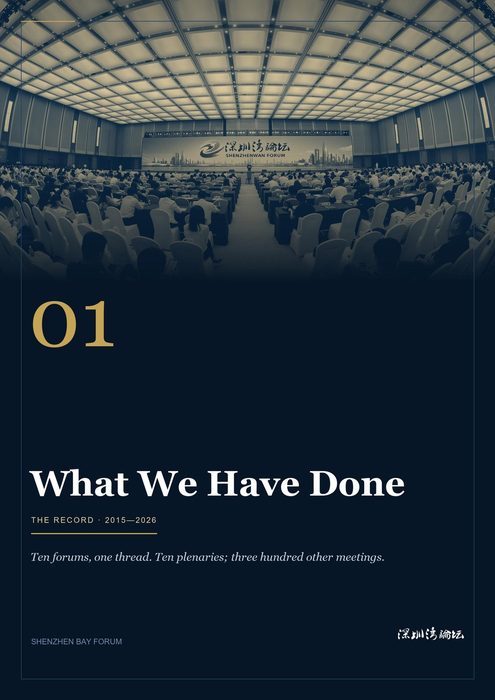
Origins · Ten editions · Three turns · Numbers · Industry and public good
A platform usually appears not because someone wants to run a forum, but because there is one thing that has to be done.
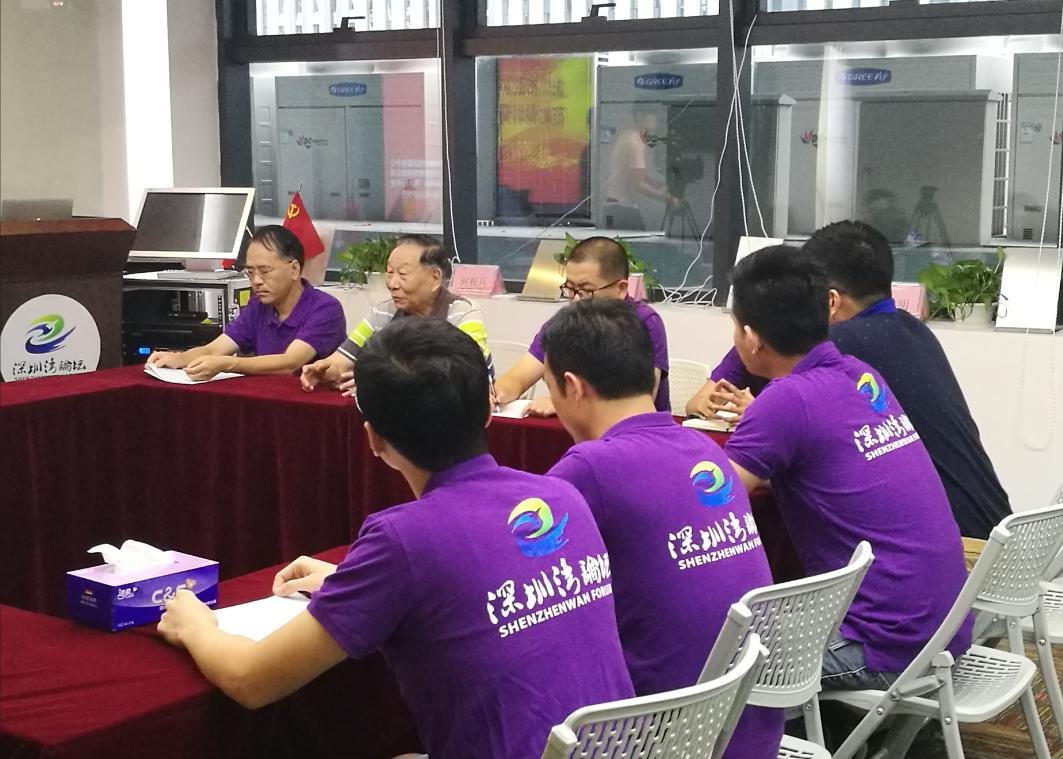
The Shenzhen Bay Forum originated in a deep collision of ideas in Beijing in early 2015. Experts from the Chinese Academy of Social Sciences, the International Exchange Centre of the Ministry of Commerce, leading investment institutions and Ping An held discussions on innovation, technology investment and the global economy. At that time regional innovation resources were scattered, university–industry linkages weak, and the market lacked an exchange vehicle rooted in the Bay Area and close to industry.
Comparing the endowments of the world's major bay areas, the experts fixed their eyes on Shenzhen Bay between Guangzhou, Shenzhen and Hong Kong. After a prudent discussion of whether to take the finance track or the science-and-innovation track, the team settled on the name “Shenzhen Bay Forum”.
Connecting innovation factors across regions, disciplines and industries. In ten years the Forum has brought people who would never have met into cooperation.
Supplying technology, capital and ecosystem support, breaking “resources” into concrete services a company can use right now.
Facing the changing times directly and choosing to be that channel of civil dialogue.
Upholding openness and inclusiveness, and promoting the co-building and sharing of science-and-innovation value.
These four words are not slogans but four ways of working: first let people meet, then give them tools, then shoulder the hard thing together, and finally divide it clearly.
| Edition | Year | Focus of the agenda | The mark of that edition |
|---|---|---|---|
| First | 2015 | Launch: founding and the first plenary | Opened in Shenzhen Bay, more than 500 attending |
| Second | 2016 | Virtual reality and intelligent technology | Nearly 300 entrepreneurs and experts |
| Third | 2017 | Mass entrepreneurship and China's new round of growth | “Bay area” written into the agenda for the first time |
| Fourth | 2018 | Collaborative innovation in the Greater Bay Area | 1,200 attendances; three policy proposals |
| Fifth | 2019 | Information technology and integrated circuits | China–US academician dialogue; nearly 300 enterprises |
| Sixth | 2020 | Smart manufacturing and the digital economy | Bao'an International Convention Centre, 300+ attendances |
| Seventh | 2022 | Smart manufacturing and digital technology upgrading | Futian Convention and Exhibition Centre |
| Eighth | 2023 | Low-altitude economy and the aerospace industry | A series of sessions, over 2,000 people in total |
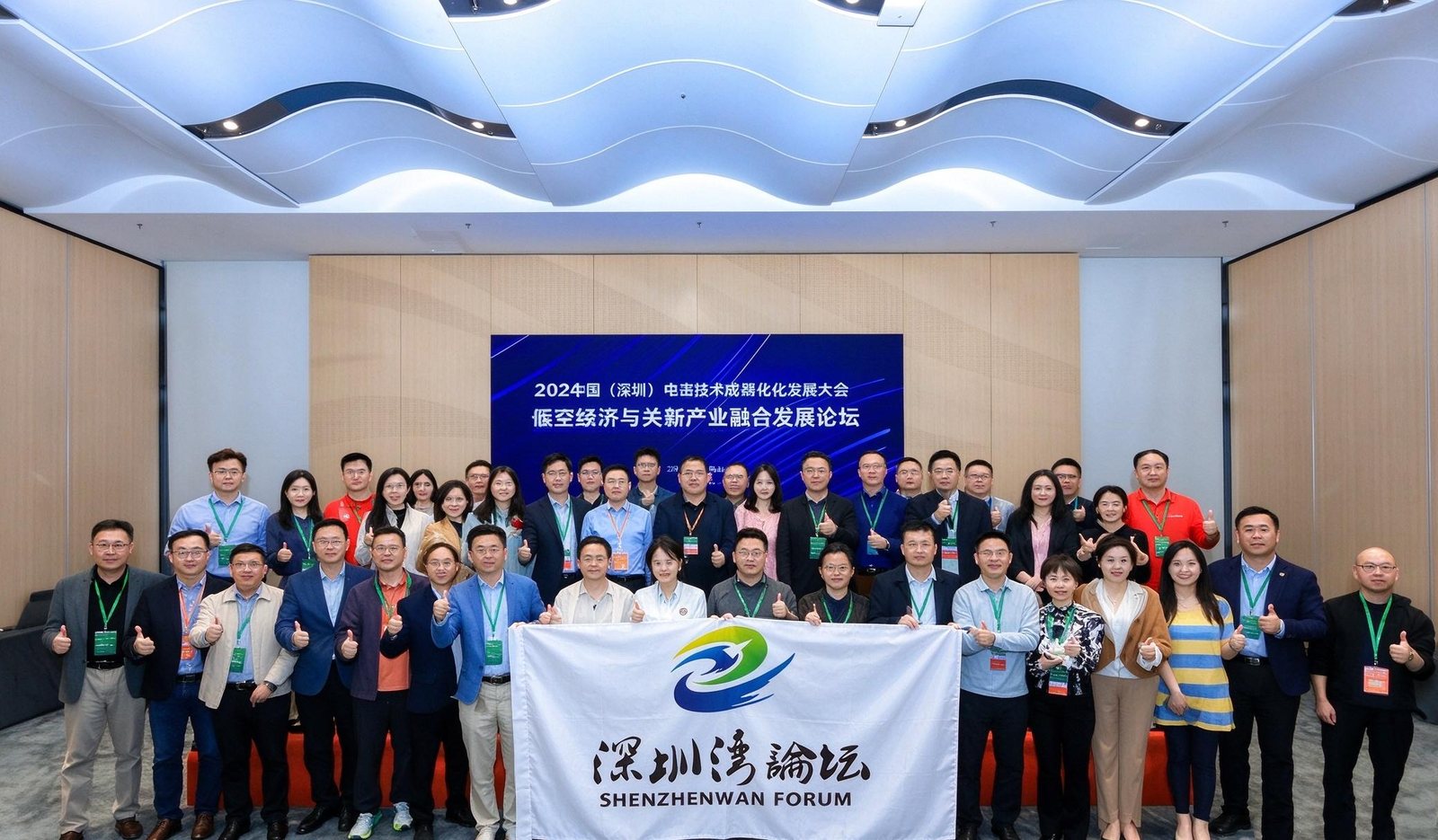
| Ninth | 2024 | Low-altitude economy and integration of related industries | Several sessions, over 1,000 people in total |
| Tenth | 2024 | 2025 Shenzhen Bay Forum & 2024 Low-Altitude Logistics Conference | Low-altitude logistics report released; committee unveiled |
The first two editions talked about entrepreneurship itself. From the third, the Forum realised Shenzhen's problems could not be solved in Shenzhen alone; in 2018 three policy proposals were completed.
The fifth edition set its theme on information technology and integrated circuits and staged a China–US academician dialogue — the “hardest” edition of the ten.
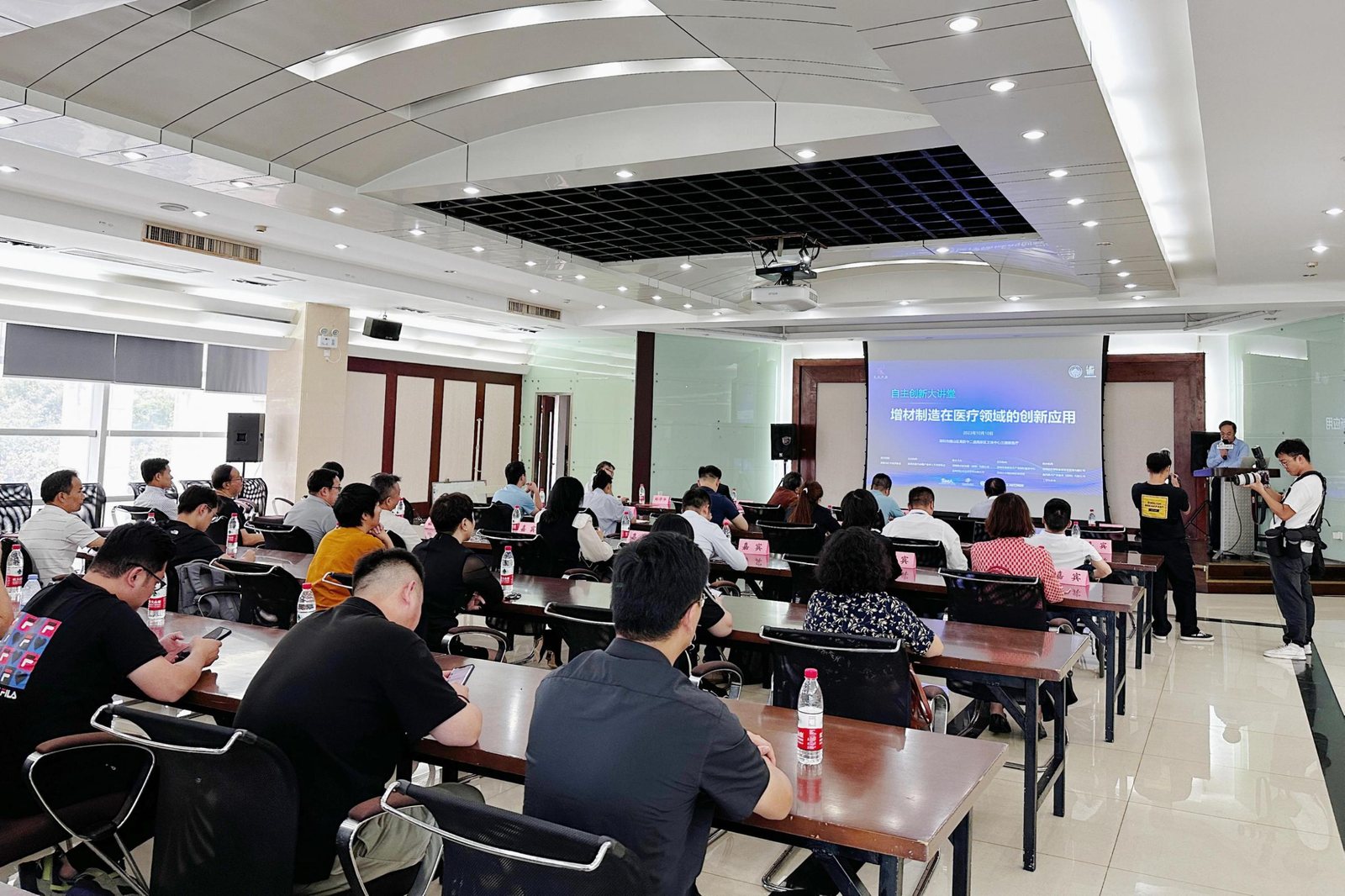
From the eighth edition the Forum kept speaking around a single track — seminars, frontier lectures, fusion forums, a logistics summit — six sessions a year, serving people who have to land a project.
None of the three was the Forum “wanting to change”; each was the result of the external industrial environment changing first. What the Forum does is to put the question on the table before the change has taken shape.
No vision first; the numbers first. Half of a forum's credibility comes from the hall, half from the desk. Over more than ten years the think tank has completed a whole product line from comparative bay-area research and innovation indices to park strategy, regional industry, tourism, institutional integration and talent-introduction research.
| Study | Lead author |
|---|---|
| Shenzhen Bay Innovation Index research | Yin Xingmin |
| Comparative study of the world's bay-area economies | Yin Xingmin |
| A bay-area innovation index evaluation system | Wang Qihang / Hu Shenghao |
| Revision of the Shenzhen Bay S&T 13th Five-Year plan | Wang Qihang / Yin Xingmin |
| Labour substitution and production relations in the AI age | Wang Qihang |
| Contributing editor, GBA Blue Book | Zhang Keke |
| Large scientific facility clusters and science cities | Cao Heping |
| Baguang coastal cultural tourism consulting | Song Ding |
| Top-level planning, OCT Maoming Nanhai Tourism Island (22 km²) | Song Ding |
| Bay-area S&T coordination policy; Shenzhen–Hong Kong institutional innovation | Zhang Keke |
| Obstacles to introducing international high-level talent | Wang Qihang |
| The enclave model of the Shenzhen–Shanwei cooperation zone | Song Ding / Wang Qihang |
| Phase-two research and planning of Baiyun Airport | Yin Qiuming |
| Yingtan's undertaking of industrial gradient transfer | Yin Xingmin |
| Building the Dream of Glory — decoding Shenzhen's take-off | Li Luoli |
| From Strategy to Execution — landing strategy | Hu Shenghao |
The Forum gathers industrial experts, academicians, entrepreneurs and investment institutions into an ecological closed loop. It has served more than 500 high-level talents, technology enterprises and government departments and linked more than 300 institutions. The method is not “one-off matchmaking”: diagnosis first, then resources, then accompaniment.
Representative projects: Luci Technology, No.2 HR, Shifang Ronghai, Baicheng Technology, Hengxiang Technology, Koala Super Course, Jiugong Ai and Zihui Technology — total output value exceeding ten billion yuan.
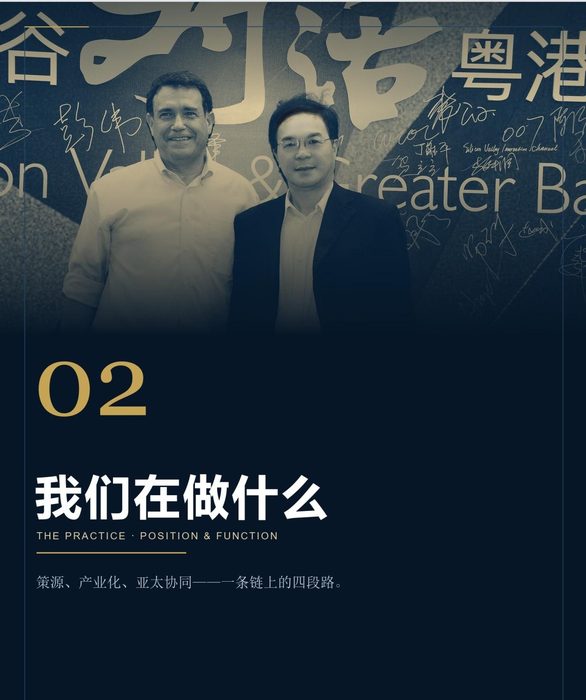
The shift · Three irreplaceables · Positioning · Four functions · Asia-Pacific
The world today is undergoing changes unseen in a century, and the global map of economy and innovation is undergoing profound structural reconstruction.
Asia contributes nearly two thirds of global growth and has the most complete industrial chain system, the most active innovation ecosystem and the largest middle-income group.
East Asia brings together China, Japan and the Republic of Korea, forming the world's most competitive innovation clusters in semiconductors, AI, new energy, advanced manufacturing and biomedicine.
The Greater Bay Area has risen to first place in global innovation indices, with a complete chain from 0 to 1 and from 1 to 100 across Hong Kong, Shenzhen and Guangzhou.
The 2026 Asia-Pacific leaders' informal meeting will be held in Shenzhen, opening a historic window for the Forum's next leap. Its significance lies not in a single meeting but in the density of agendas, people and capital that persists for years around it.
What the Forum has to do is neither to repeat the official agenda nor to market by riding the momentum, but to provide a civil setting in which meetings can continue and delivery can continue.
“A summit is a moment; a forum is daily life. Moments pass; daily life is what decides how long a platform can live.
The Forum does not talk about “whom it resembles”, only about “who it is”. After eleven years it stands in three positions that others have not held at the same time.
Non-governmental, non-profit, independent and open. What the civil identity brings is not resources but flexibility.
Behind every agenda there must be a path to landing. The end of the meeting is the beginning of the work.
Connecting the most complete manufacturing system of the Greater Bay Area with the innovation demand of Asia-Pacific — a long-term two-way channel.
| Principle | Meaning |
|---|---|
| Government guidance | Actively align with national strategy and local development needs, and accept guidance on policy direction, foreign-affairs compliance and major events. |
| Civil leadership | Keep the non-governmental, non-profit, independent and open character of a civil think tank, co-hosted and governed in diversity. |
| Distinct advantage | A useful complement to official diplomacy, and the platform that carries the “last mile” of multilateral outcomes. |
| Level | Statement | What it answers |
|---|---|---|
| Lead identity | A world-class civil science-and-industry forum | What we are |
| Support one | The civil platform that carries the landing of the Shenzhen consensus | What we take on |
| Support two | A high ground of dialogue and matchmaking for disruptive technology | What we are good at |
| Method | Government guidance, civil leadership | How we stand |
| Value | Link, empower, responsibility, win-win; a shared destiny | Why we exist |
Mission: rooted in the Shenzhen Bay highland, linked to the Asia-Pacific innovation network, break down the barriers between basic research, disruptive technology, industrial capital, governance and international cooperation; carry the landing of Asia-Pacific outcomes.
A new strategic-level scientific vehicle that runs the entire chain from basic research to international technology transfer, pushing laboratory results towards the market and building an Asia-Pacific innovation ecosystem.
The easiest thing for a forum to deliver is “a spectacle”; the hardest is “a result”. The Forum breaks its four functions into four executable product lines.
| Function | Product form | Deliverable |
|---|---|---|
| Thought sourcing | Blue books, innovation indices, white papers, thematic reports | Annual publications and databases |
| High-level dialogue | Annual summit, thematic forums, closed-door roundtables | Conference outcomes and policy proposals |
| Industrial landing | Roadshows, technical matchmaking, investment brokering, incubation | Landed projects and service contracts |
| Asia-Pacific coordination | International visits, featured sessions, mechanism memoranda | Cooperation agreements and a project pipeline |
Sourcing, industrialisation, coordination and value are not four baskets standing side by side but four stretches of road on one chain. Industrialisation is the axle.
| Pillar | Content | What it answers |
|---|---|---|
| Ⅰ World frontier technology | General AI, quantum technology, brain-computer interfaces, synthetic biology, third-generation semiconductors, additive manufacturing | Where technology comes from (0→1) |
| Ⅱ Emerging and future industries | Low-altitude and aerospace economy, green hydrogen, embodied intelligence, new materials, biomedicine | Where technology goes (1→100) |
| Ⅲ Asia-Pacific industrial coordination | Asia-Pacific S&T cooperation, supply-chain resilience, cross-regional transfer, digital economy rules | Where it is replicated |
| Ⅳ Technology for good | ESG and green low-carbon, technology ethics, digital governance, inclusive innovation, youth development | For whom it is done |
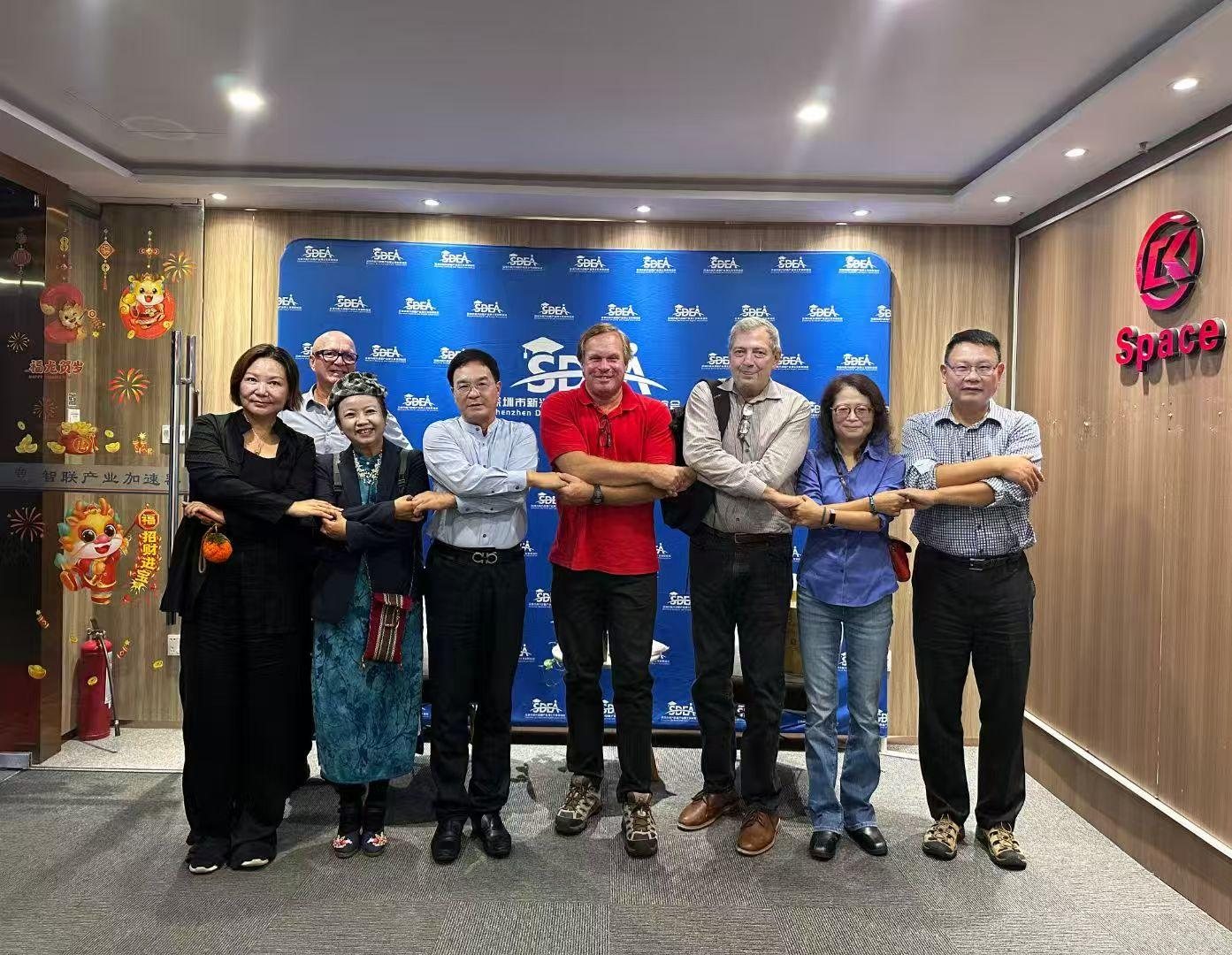
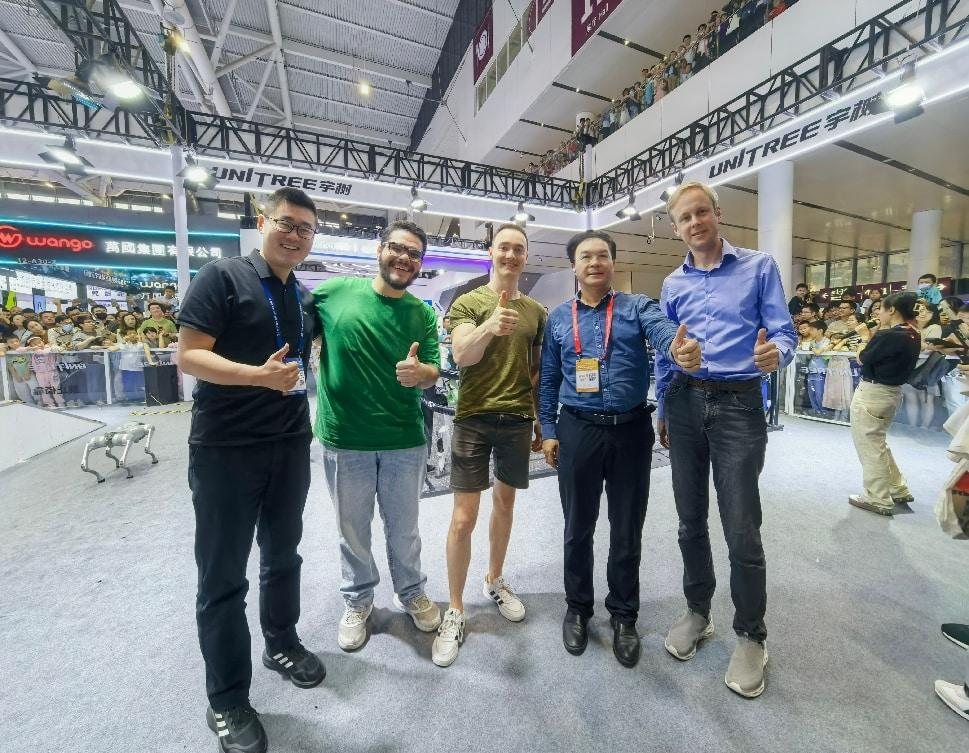
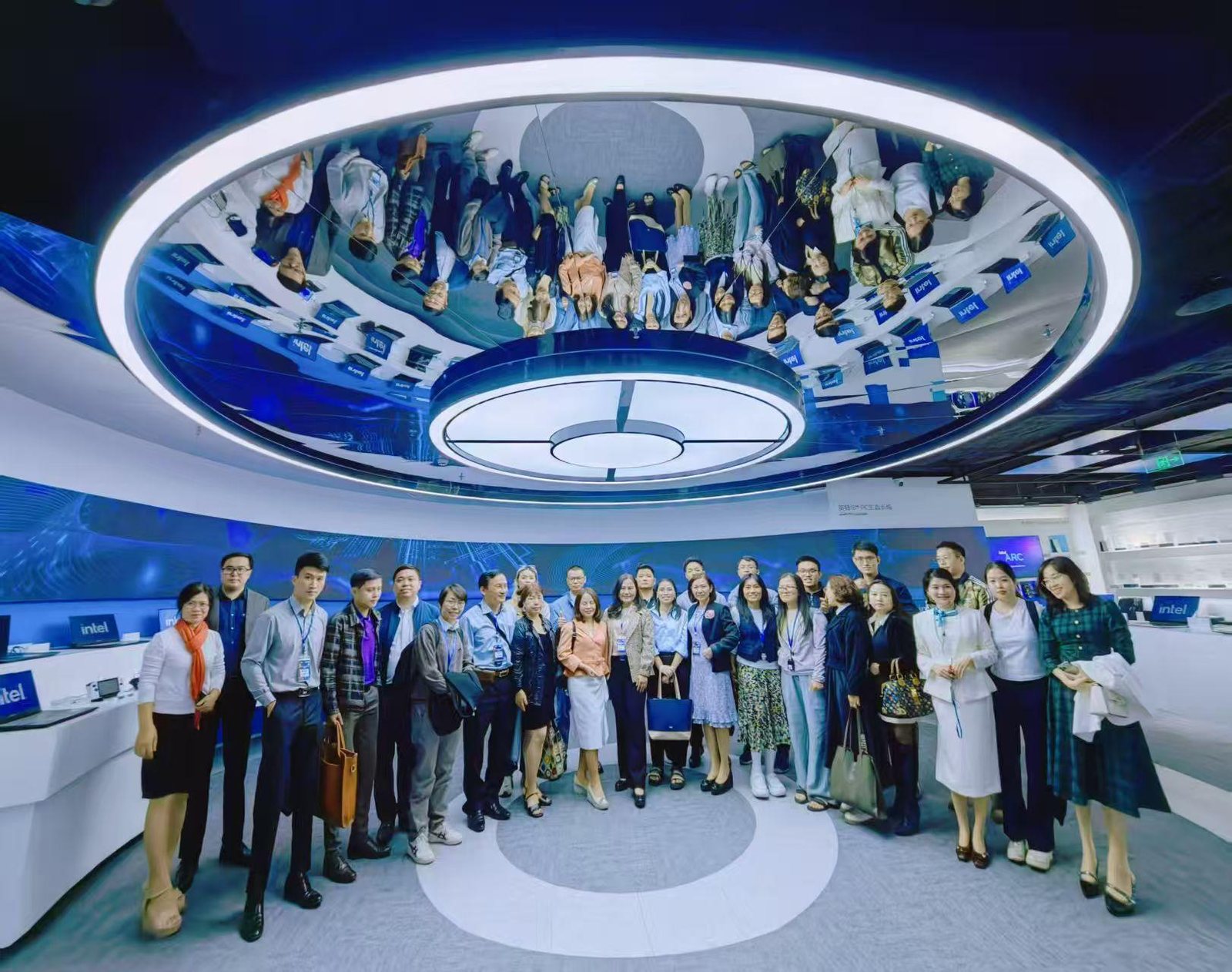
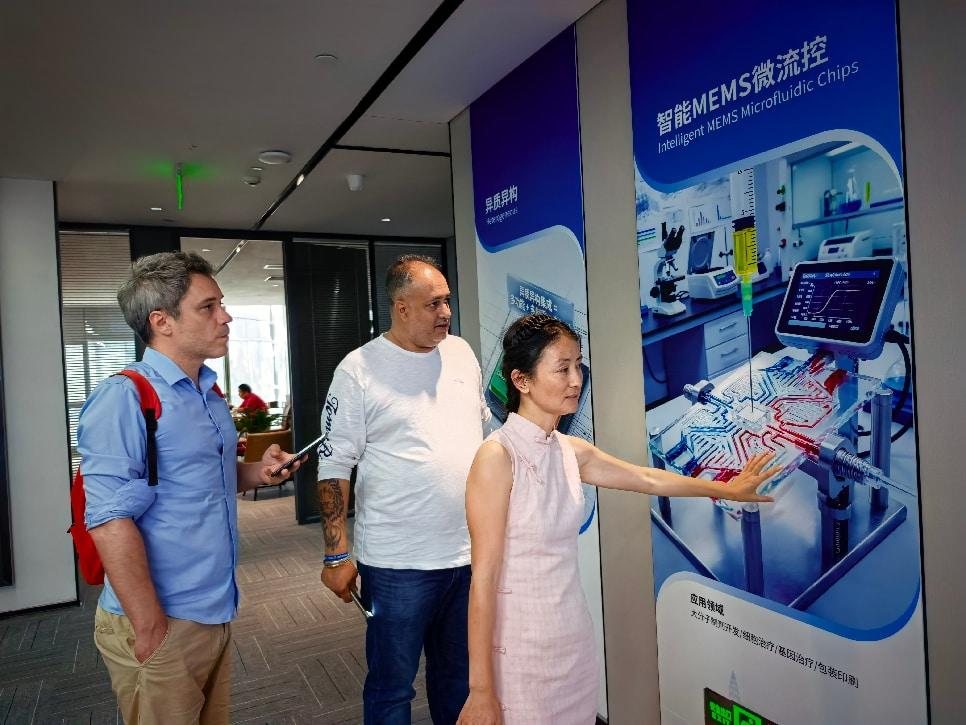
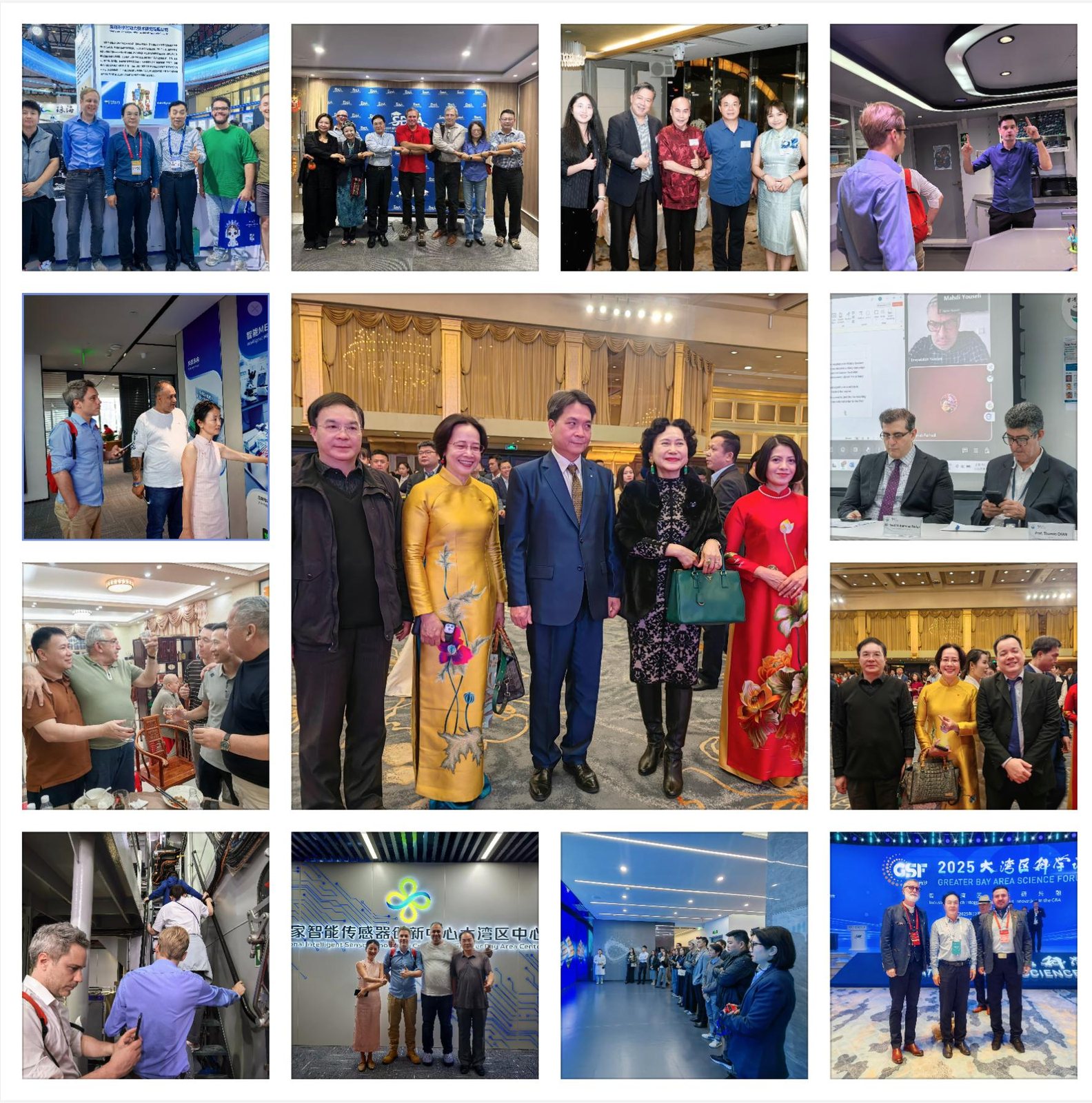
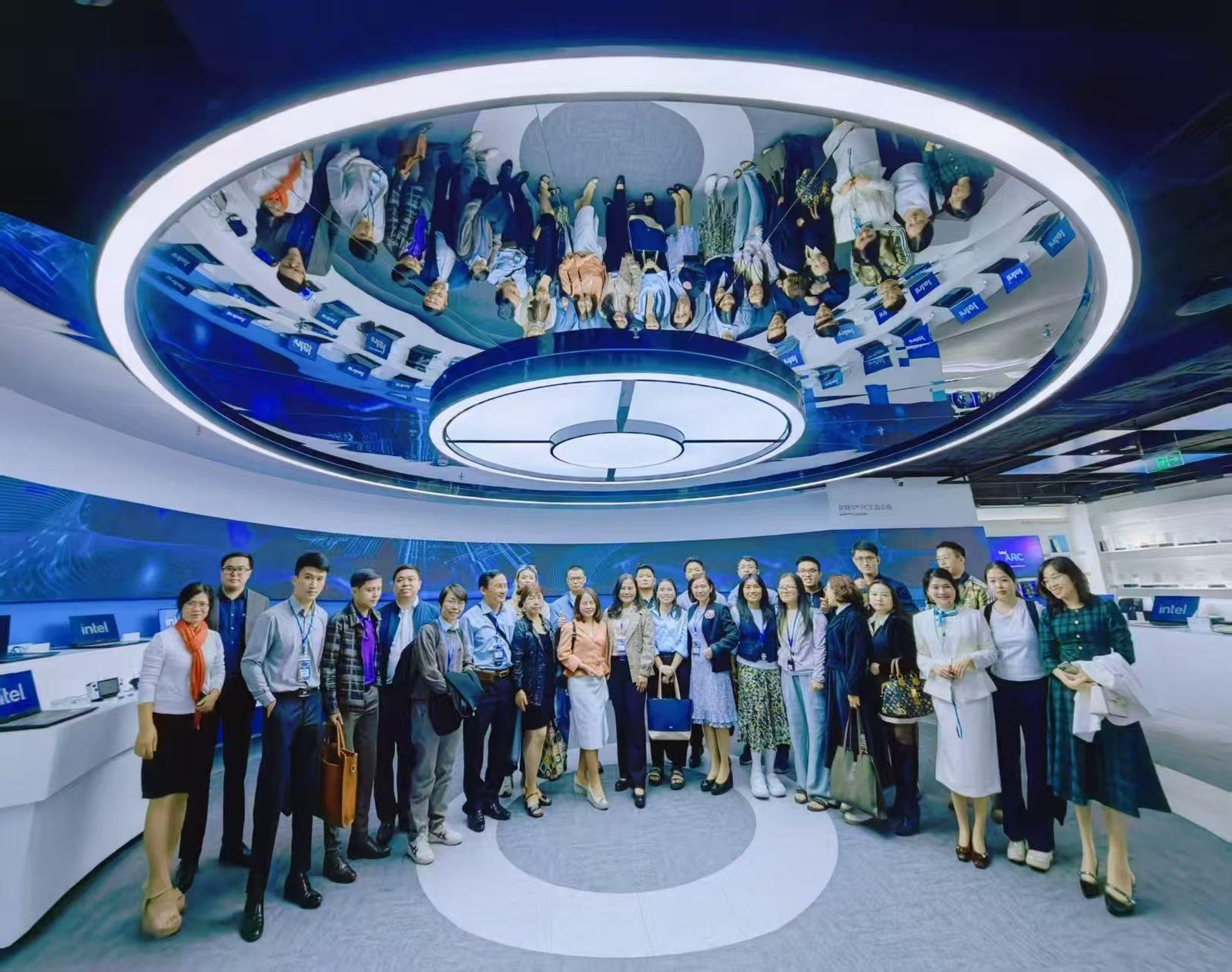
The Forum's international exchange did not begin in 2026. By 2025 it had exchanged visits with 27 batches of experts and entrepreneurs from Malaysia, Vietnam, the Republic of Korea, Kazakhstan, the United States, Germany, Egypt, Sweden, the UAE, the EU and Hong Kong, Macao and Taiwan.
Hong Kong's basic research, international rules and talent channel were the Forum's earliest interface. Rules and people.
Vietnam, Malaysia and Singapore are the first stop of industrial transfer: China's equipment, ASEAN's markets and labour.
The 2017 framework agreement with the EU–China Digital Association is about rules: digital governance, green standards and technology ethics.
“None of the three lines is deep on its own, but together they are a net. Asia-Pacific work is not built from zero; it is this net, woven denser.
Technology for good · Three boundaries · Public-good legacy
Technology itself has no standpoint, but the use of technology certainly does. When an algorithm can decide who obtains a loan, who is referred to a doctor and who is screened out in recruitment, it is no longer a neutral tool but a carrier for allocating power.
“Technology for good” is not a moral slogan but a set of concrete requirements: technology must be explainable, the cost must be seen, the benefit must be shared, and the risk must be placed up front.
“We reject two kinds of romance: one that believes technology will automatically bring good, and one that believes it will inevitably bring disaster. The real answer is: look at who uses it, for whom, and who supervises.
Substitution and restructuring happen at the same time. AI replaces tasks, not occupations; the question is whether transformation can keep up.
AI lowers marginal cost, but gains are concentrated in a few platforms; without redistribution the gap may widen.
How responsibility is assigned: the legal framework is designed around persons, while AI behaviour is emergent.
From remedy after the event to assessment before the event: biosafety, model safety and data safety are irreversible.
After “new quality productive forces” entered policy documents, forums of every kind began to talk about it. But a civil platform must first draw three boundaries.
| Boundary | What may be done | What should not be done |
|---|---|---|
| Agenda boundary | Raise real questions, provide cases, organise cross-sector dialogue | Set policy for government, draw conclusions for enterprises |
| Identity boundary | Conduct track-two dialogue as a civil body, undertake commissioned research | Pretend to official authorisation, imply government endorsement |
| Commercial boundary | Earn income by service, with prices clearly marked | Stand up for a single enterprise in the Forum's name, sell agenda space |
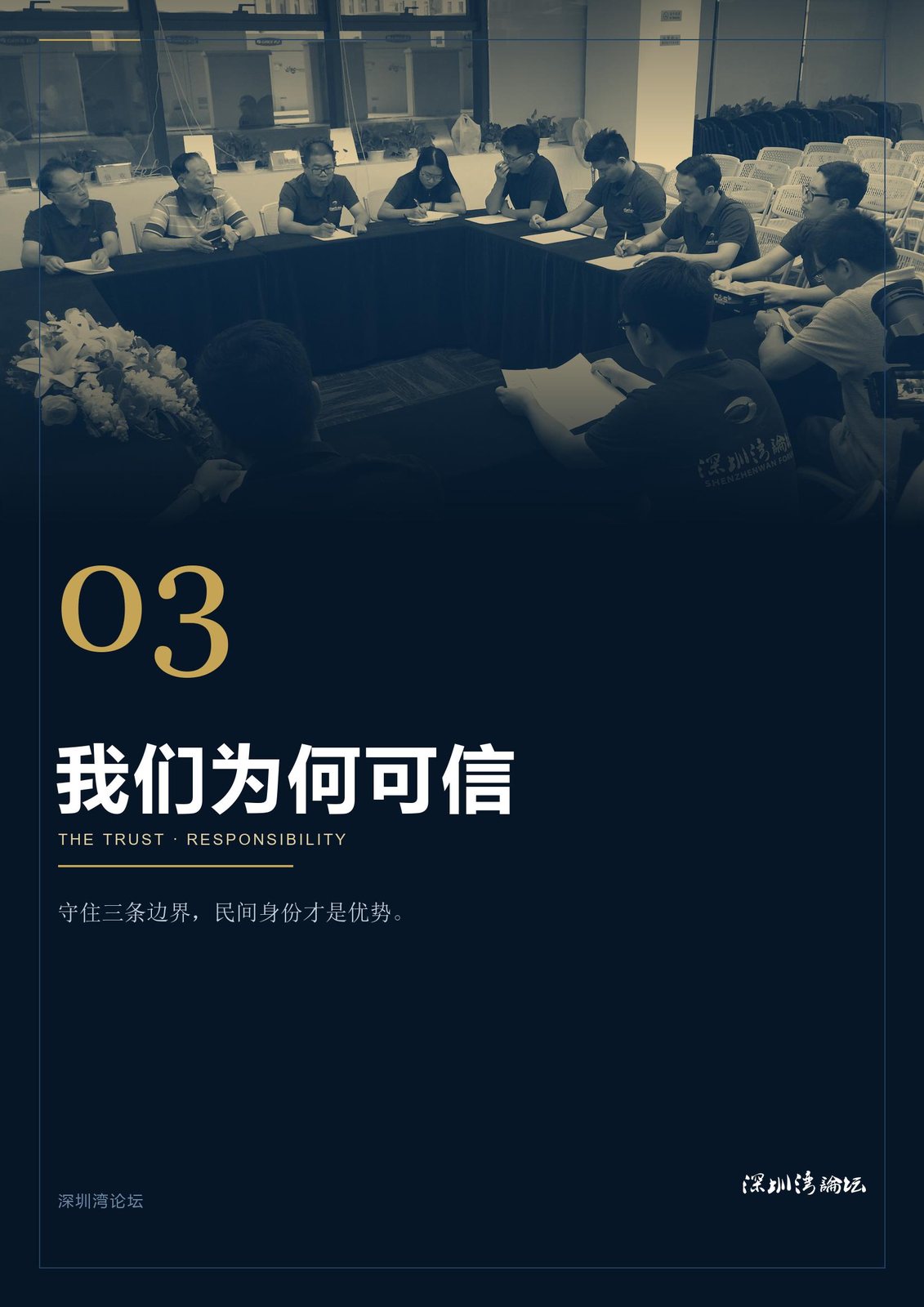
Hold these three boundaries and the civil identity is an advantage. The most precious asset of the past eleven years is precisely that “when it speaks, people believe it”. Co-governance does not mean satisfying everyone; it means that every blind spot has someone to cover it.
Put the real question forward, bring the real experts in, land the real projects.
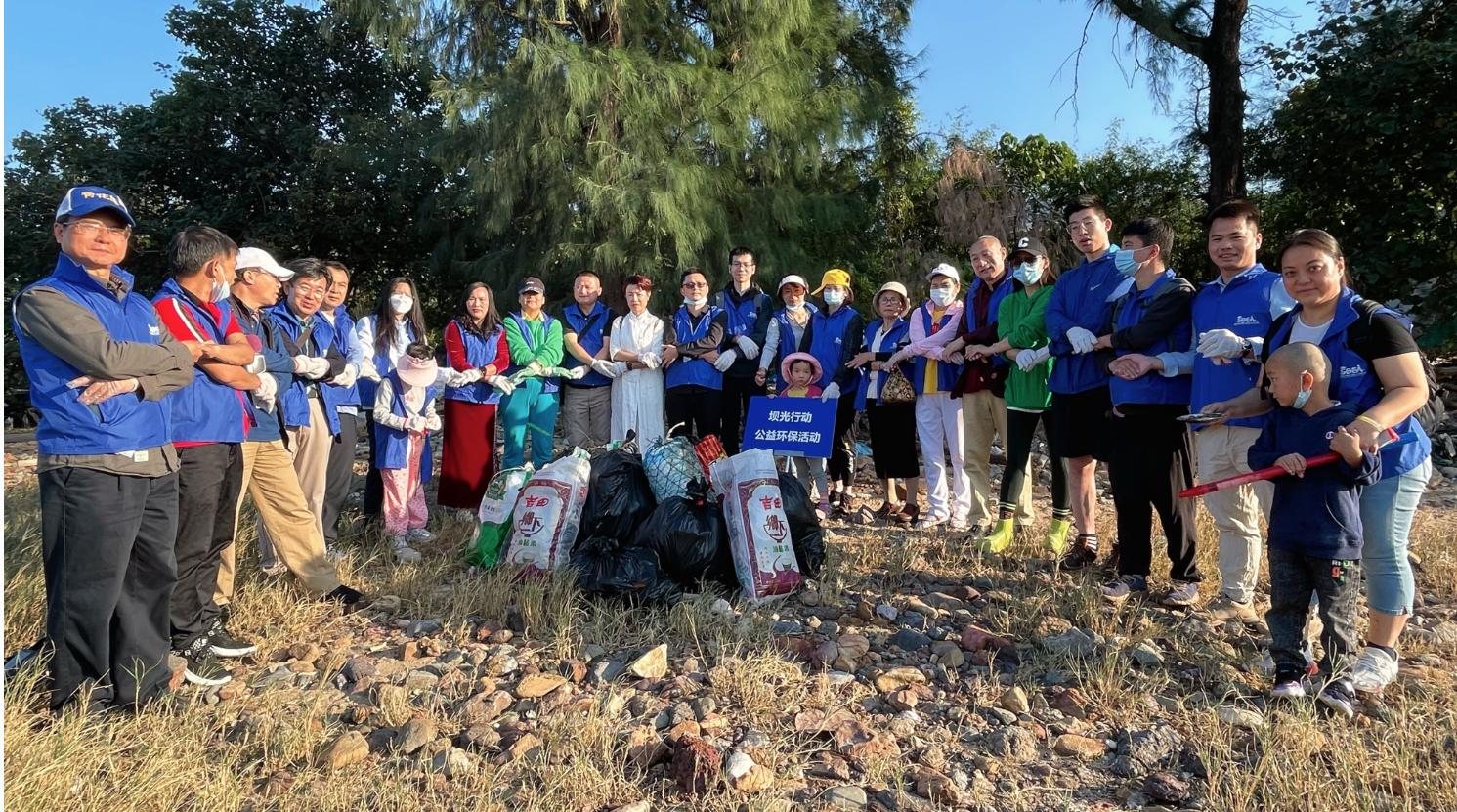
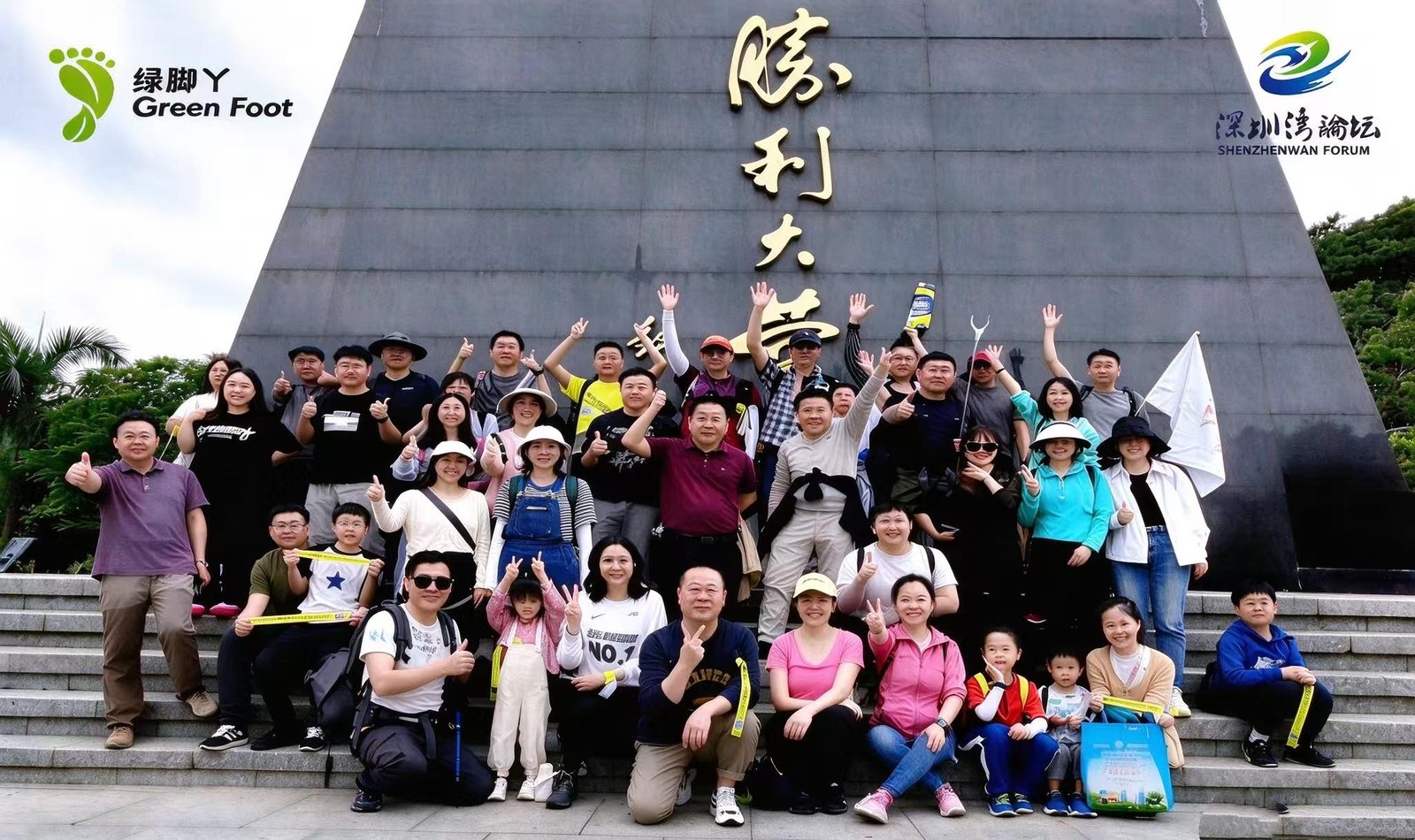
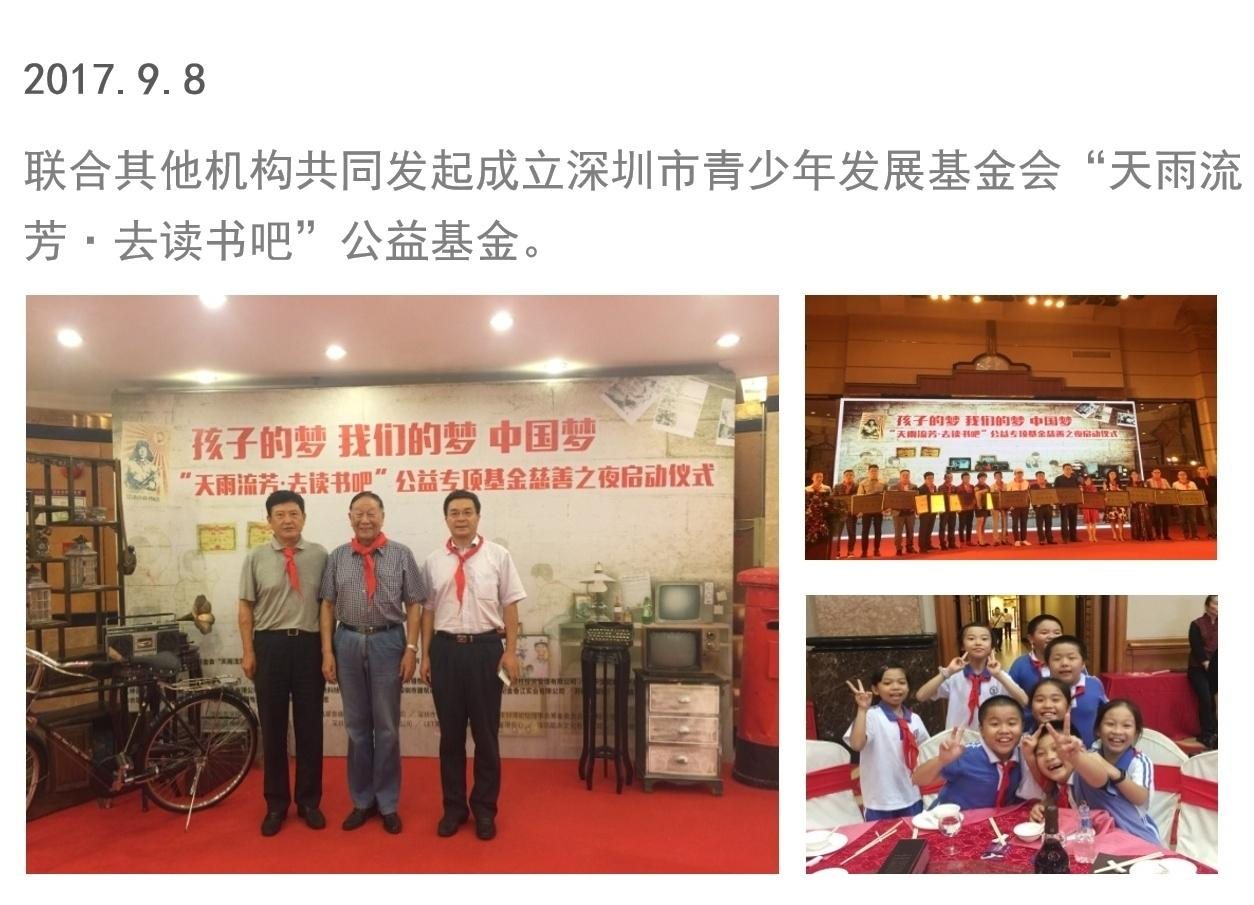
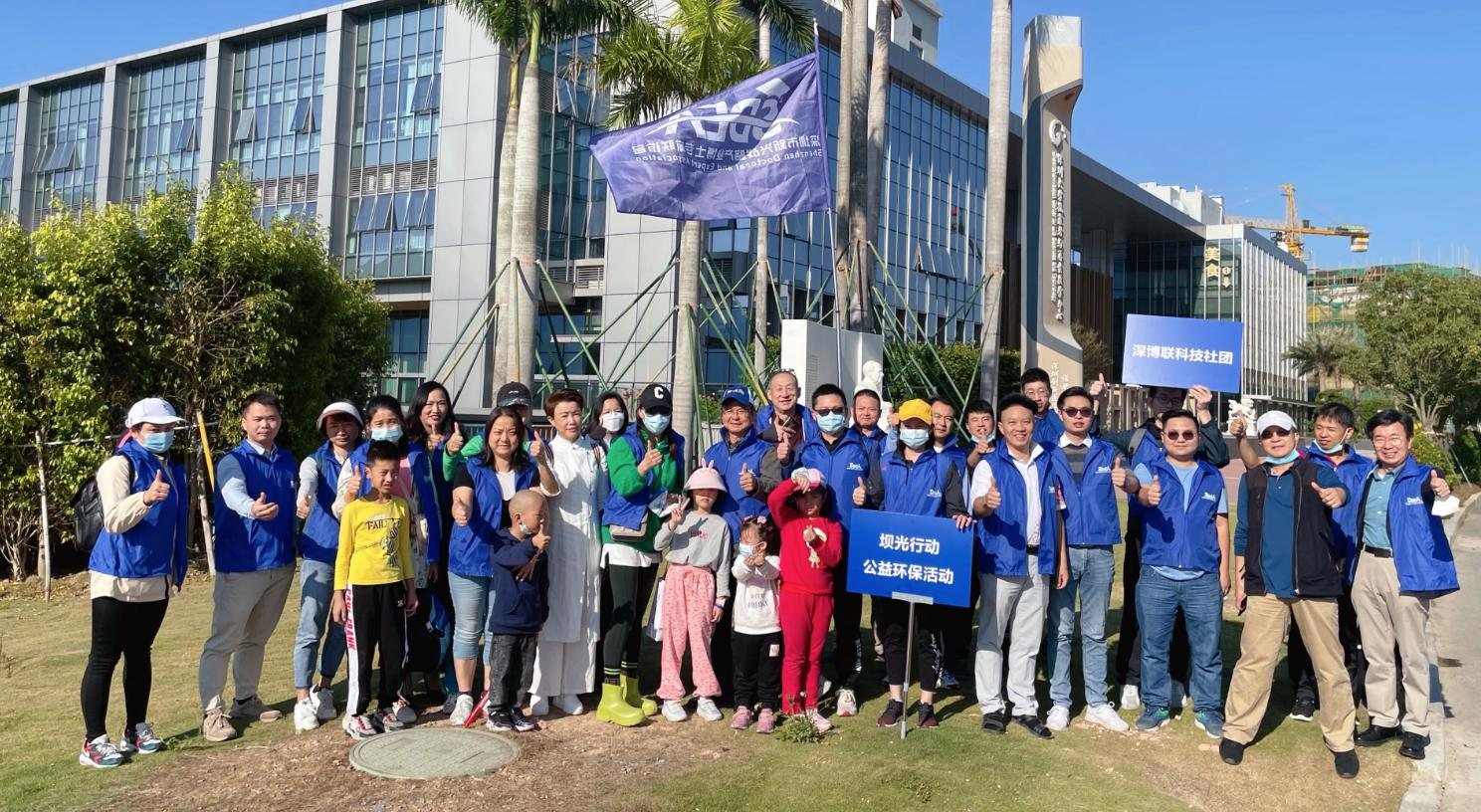
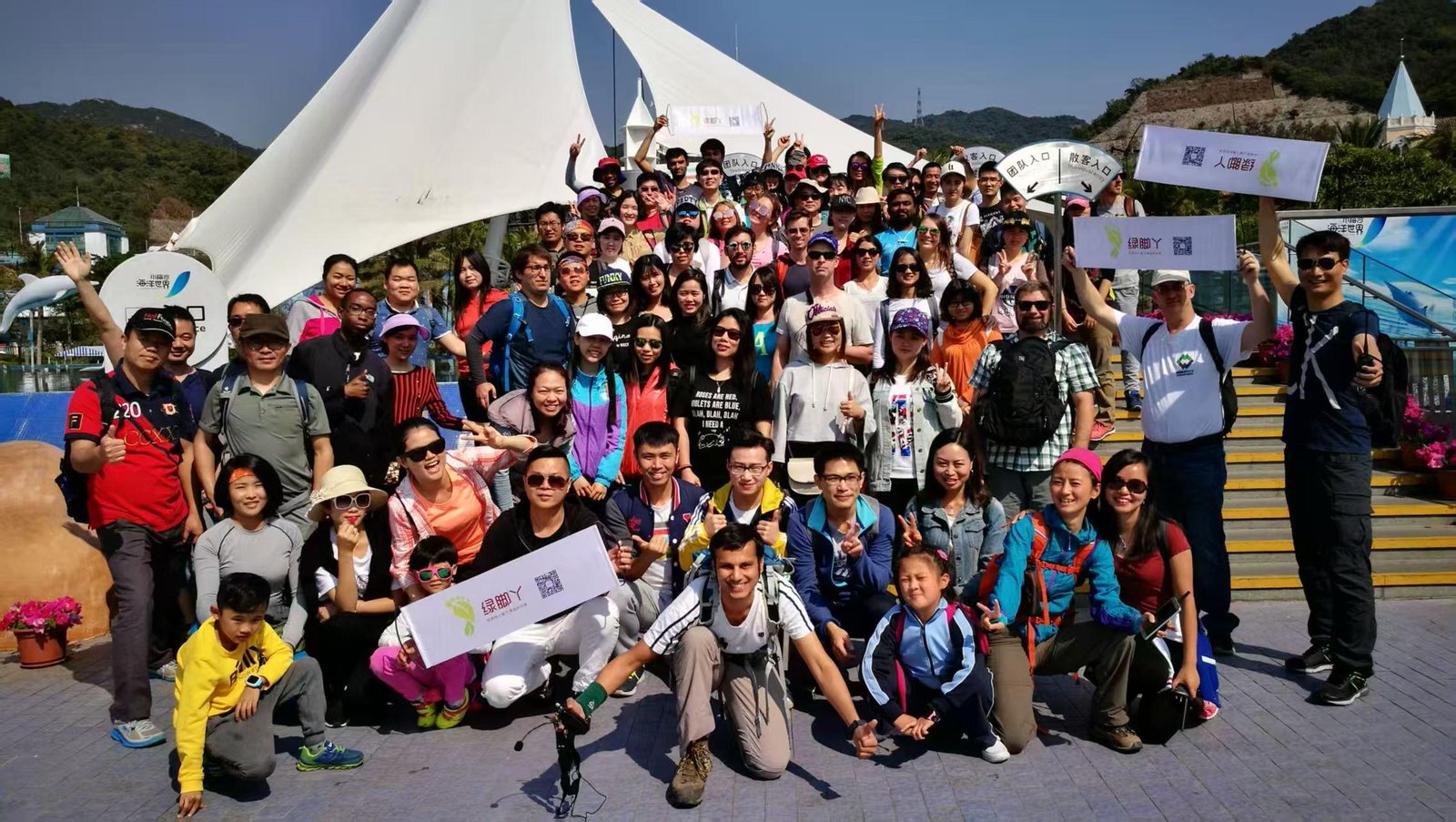
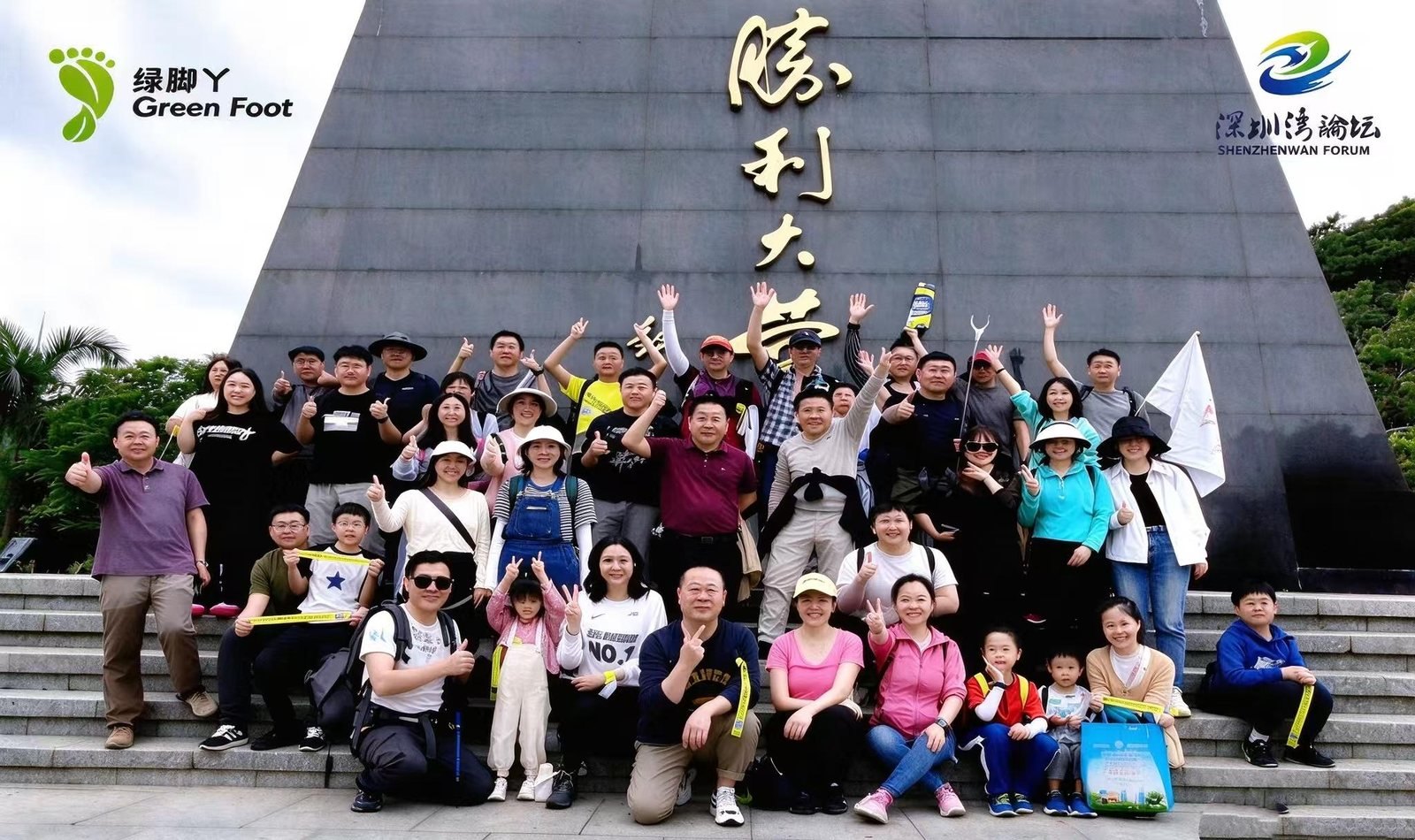
The Forum's public good has three handles: “Tianyu Liufang · Go Read” for rural reading and scientific enlightenment, “Green Footprints” for international environmental protection, and the “Baguang Action” for coastline cleaning. Its method is “books + classes + money”.
“Green Footprints” has continued for more than ten years without interruption. Greatness is never a flash of light, but writing guardianship step by step into streams, forests and coastlines. The Baguang Action has turned a coast once full of plastic into clean vegetation and mudflats.
Ten years in three stages · Three insights for 2035 · What we invite
Not a castle in the air: everything extends outward from the think-tank, expert and industrial service capabilities the Forum already has.
| Stage | Years | Main proposition | Key indicators |
|---|---|---|---|
| Foundation | 2027—2029 | Set the standard in the Bay Area, set sail as a civil body | International guests ≥15%; one white paper and one index; first project pipeline batch |
| Ascent | 2030—2032 | Compete at the front in Asia-Pacific, land the outcomes | Overseas sessions in ≥3 economies; ≥3 projects landed per year |
| Leading | 2033—2036 | Source globally, stand alongside the first rank | International guests >25%; outcomes cited by international organisations |
Organisational upgrading, an international advisory committee, brand consolidation, ABAC connection and an expanded Asia-Pacific project pipeline.
Co-host with local chambers, universities and science parks; count outcomes in three stages — signing, registration, revenue.
When an international organisation cites the Forum's white paper, only then has the platform entered the global agenda.
Ten years from now, if this handbook is reprinted, I hope this page will no longer be written as a “plan”, but as “a bumper harvest of fruits”.
General AI moves from chatting to doing. The watershed is not parameters but whether it can reliably complete one thing in the real world.
When electricity is low-cost and stable, energy-intensive materials, computing and hydrogen become economic; energy cost becomes the first variable in industrial location.
Synthetic biology, brain-computer interfaces and AI drug discovery treat the living body as a programmable system — the greatest ethical controversy and the greatest potential.
Asia-Pacific cooperation: three opportunities — industrial complementarity, demographic structure, reconstruction of rules; three challenges — technological nationalism, supply-chain de-risking, a trust deficit. Inside these contradictions the space for a civil platform is larger: this is not overstepping, it is covering.
“Join the Shenzhen Bay Forum, and see frontier technology the way the world sees it.
A civil observation window on policy practice; joint industrial and talent projects; the civil carrier of the “last mile” of multilateral outcomes.
Joint hosting, joint research, and an Asia-Pacific youth innovation alliance: researchers and entrepreneurs under 35 first spend three months in Shenzhen Bay.
Technical matchmaking and industrialisation; going global and cross-border: standards certification, channel matchmaking and localisation.
An email or a phone call will do. Within two weeks we will reply with no more than two pages: whether this can be done, who will do it, and what the first step is. We do not promise outcomes, but we do promise to break every matter down to a granularity that is executable, trackable and deliverable.
 中文 / CN
Chinese edition (V2 brief, external)
ENGLISH / ENEnglish edition (Brief, Verbatim)
Direct download of the original PDF files — no redirects.
| Body | Composition | Responsibility |
|---|---|---|
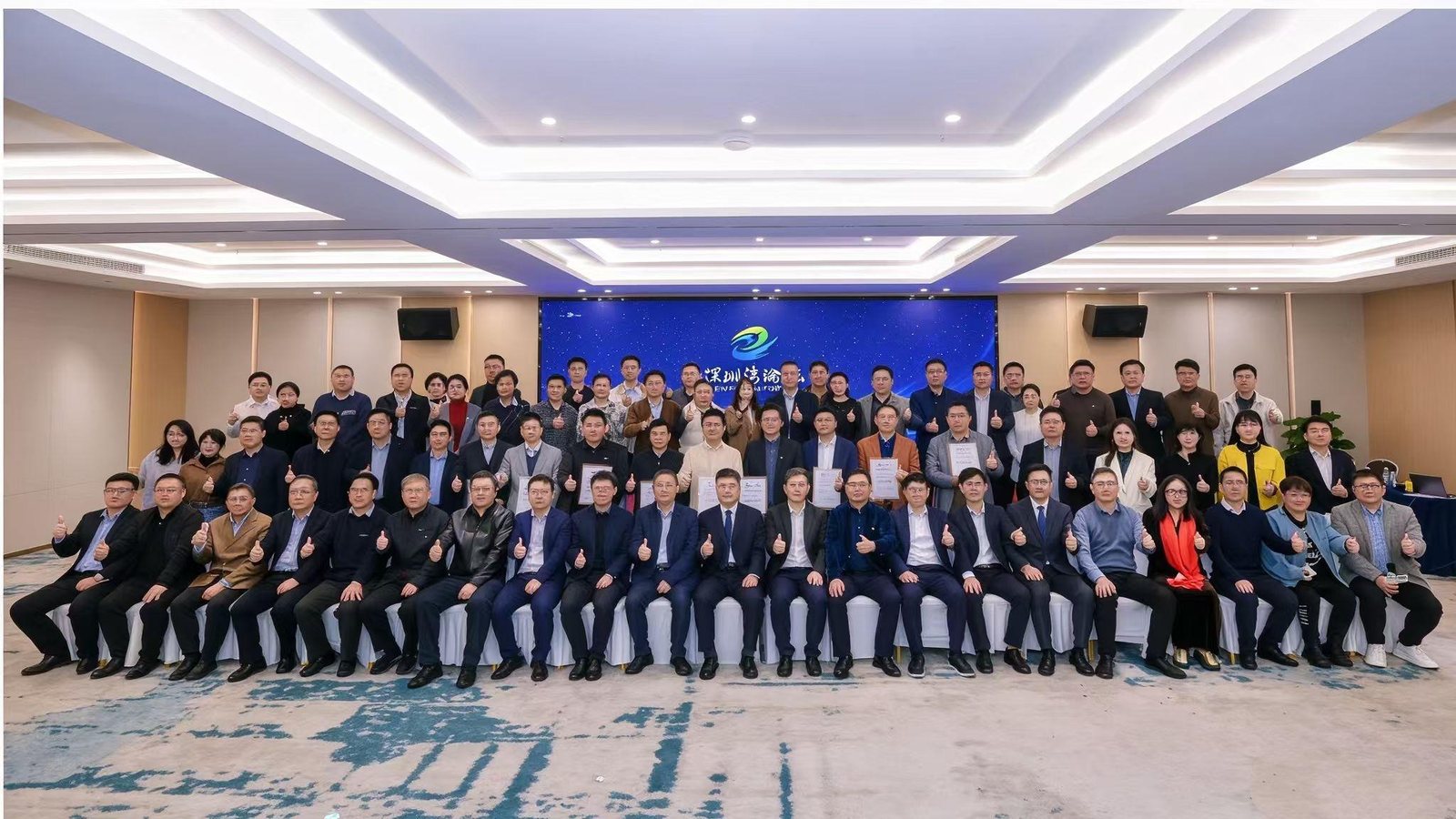
| Council | Founding units, leading enterprises, scientists, investors | Set strategy, review the budget, appoint the secretary-general |
| Expert committee | Academicians, economists, industrial experts | Academic review, project appraisal, authorship |
| International advisory committee (in preparation) | Former heads of international S&T organisations, multinational entrepreneurs, top scientists | Advice on the international agenda, resource matchmaking |
| Secretariat | Secretary-general responsibility system; operations, think tank, membership, international | Daily execution, event organisation, member services |
| Professional committees | Low-altitude economy and aerospace industry committee, among others | Agendas and projects in vertical fields |
Framework cooperation signed: EU–China Digital Association (Chair Luigi Gambardella) — promoting China–Europe S&T exchange, EU delegation visits and international forum cooperation; Hong Kong International Innovation and Entrepreneurship Research Society (President Prof. Ma Weiye) — cross-border technology transfer, talent exchange and resource matchmaking.